Ramen Eggs (Ajitama)
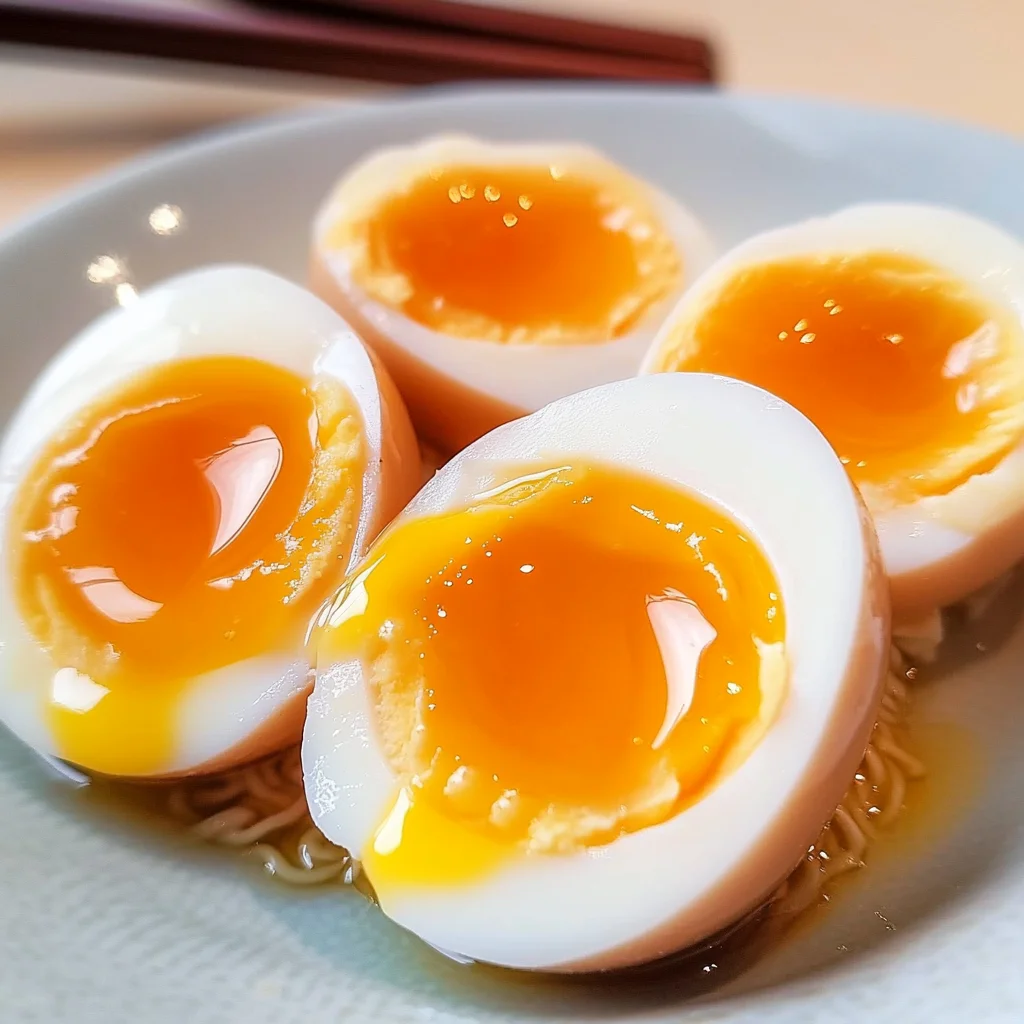
Ramen eggs, or ajitama, are a delightful addition to your culinary repertoire. These soft-boiled eggs, soaked in a savory-sweet soy marinade, offer an umami explosion that enhances ramen dishes and serves as a tasty snack. Perfect for meal prep or as a flavorful side dish, ajitama adds both elegance and flavor to your meals.
Why You’ll Love This Recipe
- Quick to Prepare: With just a few simple steps, you can make these delicious ramen eggs in no time.
- Versatile Use: Enjoy ajitama in ramen bowls, salads, or even as a standalone snack.
- Flavorful Marinade: The combination of soy sauce and sugar creates a perfect balance of sweet and savory.
- Perfectly Jammy Yolks: Achieve that ideal soft-boiled texture with our foolproof method.
- Meal Prep Friendly: Make a batch ahead of time for easy additions to various meals throughout the week.
Tools and Preparation
Before diving into the cooking process, gather your tools. Having everything ready will streamline your cooking experience.
Essential Tools and Equipment
- Pot for boiling
- Ice water bowl
- Mixing bowl or marinating container
- Whisk or spoon
Importance of Each Tool
- Pot for boiling: A sturdy pot ensures even cooking and makes boiling eggs straightforward.
- Ice water bowl: Shocking the eggs in ice water stops the cooking process instantly for perfect yolks.
- Mixing bowl or marinating container: This is essential for combining ingredients and allowing flavors to meld during marination.
- Whisk or spoon: Helps dissolve the sugar evenly in the marinade for a balanced flavor.

Ingredients
To create these flavorful ramen eggs, gather the following ingredients:
For the Ramen Eggs
- 6 large egg (see note)
- Vinegar (optional for boiling eggs)
For the Marinade
- ½ cup soy sauce (light sodium)
- ¼ cup water
- ¼ cup mirin
- 2 tablespoons granulated sugar
How to Make Ramen Eggs (Ajitama)
Step 1: Boil the Eggs
Bring a pot of water to a boil and gently place the eggs in the boiling water. Let them boil for 6 minutes to achieve perfectly soft-boiled eggs. If desired, add some vinegar to the water. This helps make peeling easier. Use 2 tablespoons of vinegar per 5 to 6 cups of water.
Step 2: Shock the Eggs
After 6 minutes, remove the eggs from boiling water and shock them in ice water. Allow them to cool completely; this step is vital as it stops further cooking and makes peeling easier. Soaking for about 15 minutes or longer is recommended if you have time.
Step 3: Make the Marinade
While waiting for the eggs to cool, prepare your soy marinade. In a mixing bowl or marinating container, combine soy sauce, water, mirin, and sugar. Stir until the sugar has fully dissolved. If using a bowl, transfer it to your marinating container.
Step 4: Marinate the Eggs
Once cooled, crack and peel the eggs carefully. Rinse with water if necessary to remove any stray shells. Place peeled eggs into your prepared marinade and let them soak in the fridge for at least 8 hours—overnight is best. If they are not fully submerged, rotate them occasionally for even flavor absorption.
Step 5: Serve and Enjoy!
Enjoy these delicious ramen eggs in your favorite ramen dishes, as a side dish, or simply as a tasty snack. If you have leftovers, remember to remove them from the marinade after 12 to 36 hours depending on how seasoned you prefer them!
How to Serve Ramen Eggs (Ajitama)
Ramen eggs, or ajitama, are a delightful addition to various dishes. Their sweet and savory flavor enhances meals while adding a rich texture. Here are some creative ways to serve them.
In Ramen Bowls
- Top your ramen noodles with ajitama for an authentic Japanese experience. The soft yolk adds creaminess to your broth.
As a Snack
- Enjoy ramen eggs as a quick snack. They are packed with protein and make for a satisfying treat on their own.
In Salads
- Slice ajitama and add them to salads for an extra layer of flavor. They pair well with greens and vinaigrettes.
With Rice Dishes
- Serve ramen eggs alongside rice bowls. Their umami taste complements the rice beautifully, creating a filling meal.
In Sushi Rolls
- Incorporate ajitama into sushi rolls for a unique twist. They can replace traditional ingredients like crab or shrimp.
On Toast
- Use ramen eggs as a topping for toast. Spread some avocado or hummus on bread, then place the sliced egg on top for added richness.
How to Perfect Ramen Eggs (Ajitama)
To achieve perfectly marinated ramen eggs, follow these essential tips.
-
Choose fresh eggs: Fresh eggs peel easier after boiling and have better flavor.
-
Shock in ice water: After boiling, immediately place the eggs in ice water to stop cooking and ensure the perfect texture.
-
Marinate overnight: Allowing the eggs to soak overnight enhances their flavor and color significantly.
-
Rotate occasionally: If not fully submerged in the marinade, rotate the eggs every few hours for even seasoning.
Best Side Dishes for Ramen Eggs (Ajitama)
Ramen eggs can be complemented by various side dishes that enhance their flavors. Here are some great options:
- Steamed Vegetables: Lightly steamed broccoli or bok choy provide freshness and crunch.
- Edamame: These seasoned soybeans are a great source of protein and add a nice bite.
- Cucumber Salad: A refreshing cucumber salad with sesame dressing adds brightness to your meal.
- Gyoza: Pan-fried dumplings filled with vegetables or meat pair wonderfully with ramen eggs.
- Nasu Dengaku: Grilled eggplant glazed with miso offers a sweet and savory contrast.
- Seaweed Salad: This light dish brings umami flavors that complement the sweet notes of ajitama.
- Miso Soup: A warm bowl of miso soup balances well with the richness of ramen eggs.
- Pickled Vegetables: Quick-pickled radishes or cucumbers add tanginess that cuts through the egg’s richness.
Common Mistakes to Avoid
To make the perfect Ramen Eggs (Ajitama), it’s essential to steer clear of common pitfalls. Here are some mistakes to watch out for:
- Not Using Fresh Eggs: Fresh eggs yield better results for soft boiling. Ensure your eggs are fresh for a creamier texture in the yolk.
- Overcooking the Eggs: Boiling the eggs for too long can lead to a firm yolk instead of the desired jammy consistency. Stick to 6 minutes for optimal softness.
- Skipping the Ice Bath: Some might skip shocking the eggs in ice water, which is crucial for stopping the cooking process and making peeling easier. Always cool them completely after boiling.
- Inadequate Marinating Time: Not allowing enough time for marinating results in less flavorful eggs. Aim for at least 8 hours, but overnight is best.
- Ignoring Egg Rotation: If the eggs aren’t fully submerged in the marinade, they may not absorb flavor evenly. Rotate them occasionally during marination.
Storage & Reheating Instructions
Refrigerator Storage
- Store marinated Ramen Eggs (Ajitama) in an airtight container.
- They can be kept in the refrigerator for up to 3 days.
Freezing Ramen Eggs (Ajitama)
- It’s not recommended to freeze Ramen Eggs as it may alter their texture and flavor.
- If you must freeze, ensure they’re well-wrapped to avoid freezer burn, but consume within a month.
Reheating Ramen Eggs (Ajitama)
- Oven: Preheat to 350°F (175°C) and warm eggs wrapped in foil for about 10 minutes.
- Microwave: Heat on low power, checking every 15 seconds until warmed through.
- Stovetop: Place in hot water (not boiling) for a few minutes until warmed.
Frequently Asked Questions
Here are some frequently asked questions about Ramen Eggs (Ajitama):
How do I achieve perfect soft-boiled Ramen Eggs?
For perfect soft-boiled Ramen Eggs (Ajitama), boil them for exactly 6 minutes and then shock them in ice water immediately after cooking.
Can I use different types of soy sauce?
Yes! You can use different types of soy sauce, but light sodium soy sauce is recommended for balancing flavor without overwhelming saltiness.
What can I substitute for mirin?
You can substitute mirin with a mixture of rice vinegar and sugar or simply use additional sugar dissolved in water if you prefer a non-alcoholic option.
How long do Ramen Eggs last?
Ramen Eggs (Ajitama) can last up to 3 days when stored properly in an airtight container in the refrigerator.
Can I customize my marinade?
Absolutely! Feel free to customize your marinade by adding ingredients like garlic, green onions, or even chili flakes for extra flavor.
Final Thoughts
Ramen Eggs (Ajitama) are a delightful addition to any meal, offering a blend of sweet and savory flavors that enhance your dishes. They are versatile enough to serve as a side or snack and are easily customizable with various marinades. Give this recipe a try and enjoy these deliciously marinated eggs!
Ramen Eggs (Ajitama)

Ramen Eggs (Ajitama) are a delectable culinary addition that elevates your meals with their rich umami flavor. These soft-boiled eggs, marinated in a savory-sweet soy sauce blend, are not only a staple in ramen dishes but also make for an enticing snack or side dish. The creamy yolks and perfectly balanced marinade create an explosion of flavor that complements a variety of cuisines. Whether you enjoy them atop steaming noodles, sliced in salads, or on their own, these marinated eggs are easy to prepare and perfect for meal prep. Try this recipe today to enhance your dining experience!
- Prep Time: 15 minutes
- Cook Time: 6 minutes
- Total Time: 21 minutes
- Yield: Makes 6 servings 1x
- Category: Snack/Side Dish
- Method: Boiling
- Cuisine: Japanese
Ingredients
- 6 large eggs
- ½ cup light sodium soy sauce
- ¼ cup water
- ¼ cup rice vinegar
- 2 tablespoons granulated sugar
Instructions
- Bring a pot of water to boil and gently add the eggs. Boil for 6 minutes.
- After boiling, immediately transfer the eggs to an ice water bowl to cool completely.
- In a mixing bowl, combine soy sauce, water, rice vinegar, and sugar; stir until the sugar dissolves.
- Once cooled, peel the eggs and place them in the marinade container; soak for at least 8 hours or overnight.
- Serve as desired and enjoy!
Nutrition
- Serving Size: 1 egg (50g)
- Calories: 70
- Sugar: 1g
- Sodium: 350mg
- Fat: 5g
- Saturated Fat: 1g
- Unsaturated Fat: 4g
- Trans Fat: 0g
- Carbohydrates: 1g
- Fiber: 0g
- Protein: 6g
- Cholesterol: 186mg